
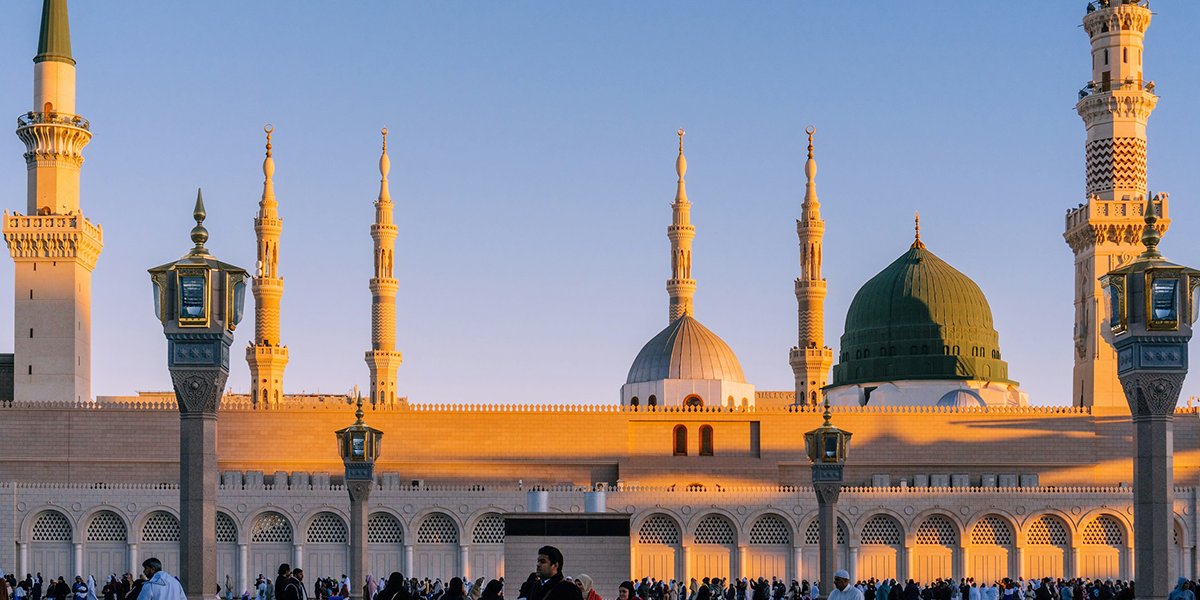
Saudi Arabia News 2026: Vision 2030, MBS Reforms, Oil Economy, and Regional Leadership
Saudi Arabia is changing. The kingdom was once known only for oil and conservative Islam. Crown Prince Mohammed bin Salman is transforming it. The pace of change is breathtaking. The risks are real.
I have been covering the Gulf region for over a decade. I have reported from Riyadh, Jeddah, and the Red Sea coast. Saudi Arabia is opening up. Tourism is new. Entertainment is new. Women are driving. The old order is gone.
This is your complete guide to Saudi Arabia News 2026. Inside, you will discover Vision 2030, the economic transformation, the political reforms, and Saudi Arabia's regional leadership.
What You Will Learn Inside
- 1. Mohammed bin Salman: The Man Who Changed Saudi Arabia
- 2. Vision 2030: Economic Transformation
- 3. Oil Economy: Still the Backbone
- 4. Social Reforms: Women, Entertainment, and Religion
- 5. Regional Leadership: Yemen, Iran, and Israel
- 6. Human Rights: The Dark Side
- 7. Frequently Asked Questions
- 8. Final Thoughts and Your Next Move
1. Mohammed bin Salman: The Man Who Changed Saudi Arabia
Crown Prince Mohammed bin Salman, known as MBS, is the de facto ruler of Saudi Arabia. His father, King Salman, is 90 years old. MBS makes the decisions.
Rise to Power
MBS became crown prince in 2017. He was not the heir apparent. He outmaneuvered his rivals. He consolidated power. He arrested his opponents. The purge of the Ritz-Carlton in 2017 was a warning. No one is safe.
MBS is young. He is 40 years old. He is ambitious. He wants to transform Saudi Arabia. He wants to reduce dependence on oil. He wants to open the country. He wants to project power.
Controversies
MBS is also controversial. He ordered the killing of journalist Jamal Khashoggi in 2018. The US intelligence community concluded he did. He denies it. The incident damaged his reputation.
He has also waged war in Yemen. The war has caused a humanitarian catastrophe. Hundreds of thousands have died. Millions are displaced. The war is unpopular. MBS wants to exit.
He has arrested women's rights activists. He has suppressed dissent. He has cracked down on free speech. The reforms are real. The repression is also real.
2. Vision 2030: Economic Transformation
Vision 2030 is MBS's economic plan. It aims to reduce dependence on oil. It aims to diversify the economy. It aims to create jobs.
Giga-Projects
NEOM is a $500 billion megacity. It will be powered by renewable energy. It will have flying taxis. It will be a tourist destination. It is controversial. It is ambitious. It may or may not succeed.
The Red Sea Project is a luxury tourist destination. It will have hotels on pristine islands. It will open in phases. The first hotels are open. The project is on track.
Qiddiya is an entertainment city. It will have theme parks, sports facilities, and cultural venues. It is near Riyadh. It is opening soon.
The Line is a 170-kilometer linear city. It will have no cars. It will have no streets. It will be powered by renewable energy. Critics say it is science fiction. MBS says it will be built.
Non-Oil GDP
Non-oil GDP is growing. It now accounts for 50 percent of the economy. The target is 70 percent by 2030. Progress is real. The challenge is huge.
The private sector is growing. Foreign investment is increasing. The stock market is booming. The government is selling shares in Saudi Aramco, the national oil company.
3. Oil Economy: Still the Backbone
Oil is still the backbone of the Saudi economy. It accounts for 40 percent of GDP. It accounts for 70 percent of government revenue. It accounts for 80 percent of exports.
OPEC+ Leadership
Saudi Arabia leads OPEC+. It coordinates oil policy with Russia and other producers. It has cut production to support prices. The strategy has worked. Prices are stable. Revenue is adequate.
The US wants Saudi Arabia to increase production. Saudi Arabia has resisted. It wants higher prices. The relationship is strained.
Energy Transition
Saudi Arabia is investing in renewable energy. It plans to generate 50 percent of electricity from renewables by 2030. It also plans to export green hydrogen. The transition will take time.
4. Social Reforms: Women, Entertainment, and Religion
Saudi Arabia is opening up. The pace of social change is unprecedented.
Women's Rights
Women can now drive. They can travel without a male guardian. They can work in any field. They are joining the workforce in large numbers. The changes are real. The patriarchy persists.
Activists who pushed for change have been jailed. The government tolerates change from above. It does not tolerate change from below.
Entertainment
Cinemas are open. Concerts are held. Public festivals are common. The religious police have been neutered. The country is still conservative. It is less repressive.
The government has invested in entertainment. It has signed deals with Hollywood studios. It is producing its own films.
Religion
The government has curbed the power of the religious establishment. The Grand Mufti has been sidelined. Moderate clerics have been promoted. The changes are controversial. They are popular with the young.
5. Regional Leadership: Yemen, Iran, and Israel
Saudi Arabia is a regional power. It competes with Iran for influence. It has sought to reduce tensions.
Yemen War
Saudi Arabia has been at war in Yemen since 2015. The war has been a disaster. The humanitarian toll is staggering. The military objectives have not been achieved.
Saudi Arabia is seeking an exit. It has negotiated with the Houthis. A ceasefire is in place. Peace talks continue. The war may finally end.
Iran Rivalry
Saudi Arabia and Iran are rivals. They compete for influence in the region. They support opposing sides in Yemen, Syria, Iraq, and Lebanon.
Relations have thawed. China brokered a deal in 2023. Embassies have reopened. Diplomats have exchanged visits. The rivalry continues. The confrontation has decreased.
Israel Normalization
Saudi Arabia has not normalized relations with Israel. It has come close. The Biden administration has pushed for a deal. The deal would include a US defense treaty and a civilian nuclear program. The Palestinians are a stumbling block.
Normalization may happen. It may not. The timing is uncertain.
6. Human Rights: The Dark Side
The dark side of Saudi Arabia persists. Dissent is suppressed. Activists are jailed. The death penalty is used.
Political prisoners are held without trial. Women's rights activists are in jail. Clerics who criticize the government are silenced. The reforms are real. The repression is also real.
The US and European countries have criticized Saudi Arabia. They have sold weapons to the kingdom. The hypocrisy is evident.
Frequently Asked Questions
Is Saudi Arabia safe for travel?
Yes, for most tourists. Crime is low. The government protects tourists. The religious police have been neutered. Women can travel alone. Dress modestly. Respect local customs.
What is the best time to visit Saudi Arabia?
November to March is the best time. The weather is pleasant. Summer is extremely hot. Temperatures exceed 110°F. Coastal areas are humid.
How is Saudi Arabia's economy doing?
The economy is stable. Oil prices are adequate. Non-oil GDP is growing. Vision 2030 giga-projects are underway. The future is uncertain. The direction is positive.
Who is Mohammed bin Salman?
Mohammed bin Salman is the crown prince and de facto ruler of Saudi Arabia. He has transformed the country. He is also controversial. He ordered the killing of Jamal Khashoggi.
Can I move to Saudi Arabia from the US?
Yes, but it is not easy. You need a job offer to get a work visa. The government has created new visa categories for skilled professionals. Consult an immigration lawyer.
Final Thoughts and Your Next Move
Saudi Arabia is transforming. The pace of change is breathtaking. The risks are real. The future is uncertain.
Your next move is to watch Saudi Arabia closely. It is a key US ally. It is a major oil producer. It is a regional power. Its transformation will shape the Middle East.
Stay Informed About Saudi Arabia
What is your biggest question about Saudi Arabia? Vision 2030? MBS? Oil? Travel? Drop a comment below. I read every response and answer as many questions as I can.
Share this guide with someone who needs to understand modern Saudi Arabia.




Leave a Comment