
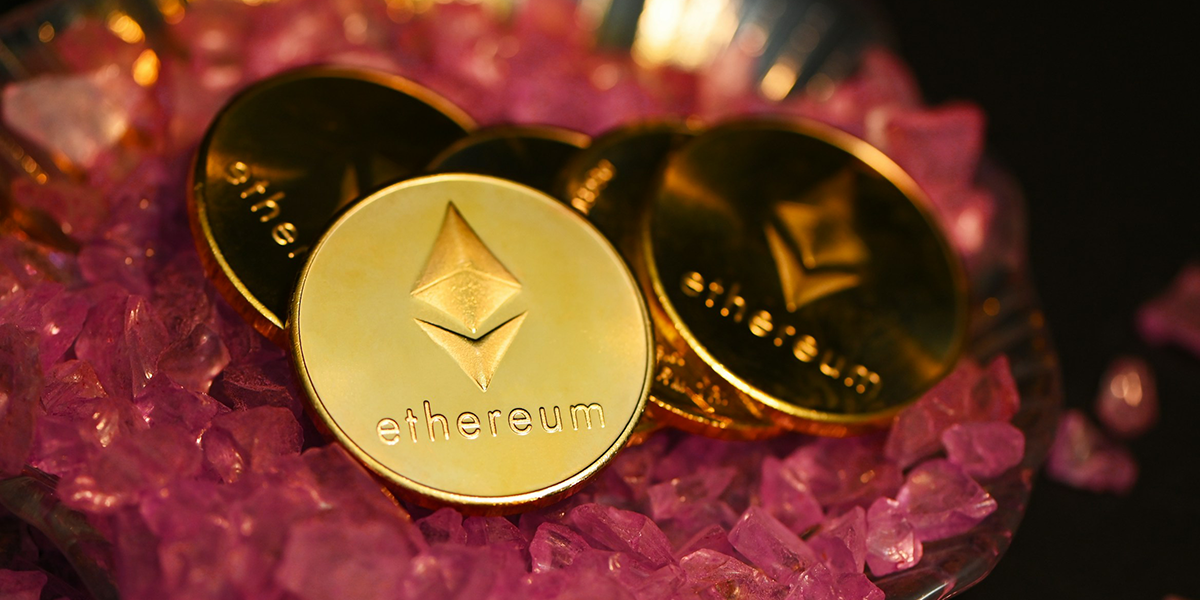
Ethereum News 2026: ETH Price Analysis, Network Upgrades, DeFi Growth, and Staking Rewards
Ethereum is the world's second-largest cryptocurrency. It is the foundation of decentralized finance. It is the home of most NFTs. It is a platform for developers. The network has evolved. The Merge was the biggest upgrade. More upgrades are coming.
I have been following Ethereum since 2017. I have traded ETH. I have used DeFi protocols. I have staked my coins. The ecosystem is thriving. The future is bright.
This is your complete guide to Ethereum News 2026. Inside, you will discover ETH price analysis, network upgrades, DeFi growth, and staking rewards.
What You Will Learn Inside
1. ETH Price Analysis
ETH is trading at $4,500 as of May 2026. The market cap is $540 billion. The price is down from the all-time high of $4,800. It is up from the low of $1,000 in 2022. The trend is positive.
The Federal Reserve is cutting rates. Lower rates are bullish for risk assets. Ethereum is a risk asset. The upgrades are improving the network. The Dencun upgrade reduced fees. The impact is positive.
Institutional adoption is growing. ETH futures ETFs are trading. Spot ETFs are coming. The SEC has approved several. The launch is expected in 2026.
Price Predictions for 2026
Bull case: $8,000. Institutional adoption drives demand. Upgrades improve scalability. DeFi continues to grow.
Base case: $6,000. Steady growth. No major catalysts. No major setbacks.
Bear case: $3,500. Regulatory crackdown. Competition from Solana. Macroeconomic downturn.
2. Ethereum Network Upgrades
Ethereum continues to evolve. The upgrades are making the network faster, cheaper, and more secure.
The Merge (2022)
The Merge switched Ethereum from proof-of-work to proof-of-stake. Energy consumption dropped 99.9 percent. Inflation turned negative. Stakers now earn 4-5 percent annually.
Dencun Upgrade (2024)
The Dencun upgrade introduced proto-danksharding. It dramatically reduced transaction fees for layer-2 networks. Fees on Arbitrum and Optimism dropped to less than $0.01. This solved Ethereum's scalability problem.
Osaka Upgrade (2026)
The Osaka upgrade is expected in late 2026. It will further optimize data availability. It will prepare the network for full danksharding. Full sharding is expected in 2027-2028. It will increase throughput to over 100,000 transactions per second.
3. DeFi on Ethereum
DeFi is decentralized finance. It allows you to lend, borrow, and trade without intermediaries. Ethereum is the foundation of DeFi.
Total value locked in DeFi is $100 billion. Ethereum accounts for 60 percent. Aave, Uniswap, and Maker are the largest protocols. Aave allows lending and borrowing. Uniswap allows trading. Maker issues the DAI stablecoin.
DeFi yields are attractive. Stablecoin lending yields 5-10 percent. ETH staking yields 4-5 percent. Yield farming yields 10-20 percent. The risks are real. Smart contract hacks happen. Diversify.
4. NFTs on Ethereum
NFTs are unique digital assets. They represent ownership of art, collectibles, and virtual real estate. Ethereum is the primary network for NFTs.
The NFT market has cooled. Trading volume is down from the peak. The market is maturing. Blue-chip NFT collections are holding value. Bored Ape Yacht Club, CryptoPunks, and Pudgy Penguins are still valuable.
New use cases are emerging. Event tickets, identity documents, and supply chain tracking. The potential is enormous.
5. Ethereum Staking
Staking is how Ethereum secures the network. You lock up your ETH to become a validator. You earn rewards for validating transactions. The current staking reward is 4-5 percent.
There are several ways to stake. Run your own validator. You need 32 ETH. The hardware and technical requirements are significant. Join a staking pool. Rocket Pool and Lido allow you to stake any amount. Stake through an exchange. Coinbase and Kraken offer staking. They charge a fee.
Staking is safer than yield farming. There is no impermanent loss. Your ETH is locked until withdrawals are enabled. Withdrawals are now enabled. You can unstake at any time.
6. Layer 2 Scaling
Layer 2 networks scale Ethereum. They process transactions off-chain. They settle on Ethereum. The fees are low. The speed is fast.
Arbitrum is the largest layer 2. Total value locked is $10 billion. Optimism is second. Total value locked is $5 billion. Base is a new layer 2 from Coinbase. It is growing quickly.
Layer 2 networks are interoperable. You can bridge assets between them. The user experience is improving.
7. Ethereum vs Solana vs Avalanche
Ethereum is the leader. Solana and Avalanche are competitors. Here is how they compare.
Speed: Solana is fastest. Avalanche is second. Ethereum is slowest. Layer 2 networks make Ethereum competitive.
Security: Ethereum is most secure. Solana has had outages. Avalanche is secure.
Decentralization: Ethereum is most decentralized. Solana is less decentralized. Avalanche is moderately decentralized.
Developer Activity: Ethereum has the most developers. Solana is second. Avalanche is third.
Winner: Ethereum for security and decentralization. Solana for speed. Avalanche for institutions.
Frequently Asked Questions
Is Ethereum a good investment in 2026?
Yes. Ethereum has strong fundamentals. The upgrades are improving the network. Institutional adoption is growing. The long-term outlook is positive.
How do I buy Ethereum?
Buy on Coinbase, Kraken, or Binance. Transfer to a wallet. A hardware wallet is safest. Never leave large amounts on an exchange.
What is gas on Ethereum?
Gas is the fee you pay to use Ethereum. It is priced in gwei. It fluctuates based on demand. Layer 2 networks have lower fees.
Is Ethereum deflationary?
Yes. Since The Merge, Ethereum has burned more ETH than it has issued. The supply is decreasing. It is deflationary.
What is the difference between ETH and Ethereum?
Ethereum is the network. ETH is the currency. You use ETH to pay for transactions on Ethereum.
Final Thoughts and Your Next Move
Ethereum is the foundation of the crypto economy. DeFi, NFTs, and Web3 are built on it. The network is evolving. The future is bright.
Your next move is to learn more. Read the Ethereum whitepaper. Use a DeFi protocol. Stake your ETH. Experience the ecosystem.
Explore Ethereum Today
What is your biggest question about Ethereum? Price? Upgrades? Staking? Drop a comment below. I read every response and answer as many questions as I can.
Share this guide with a friend who wants to learn about Ethereum.






Leave a Comment