
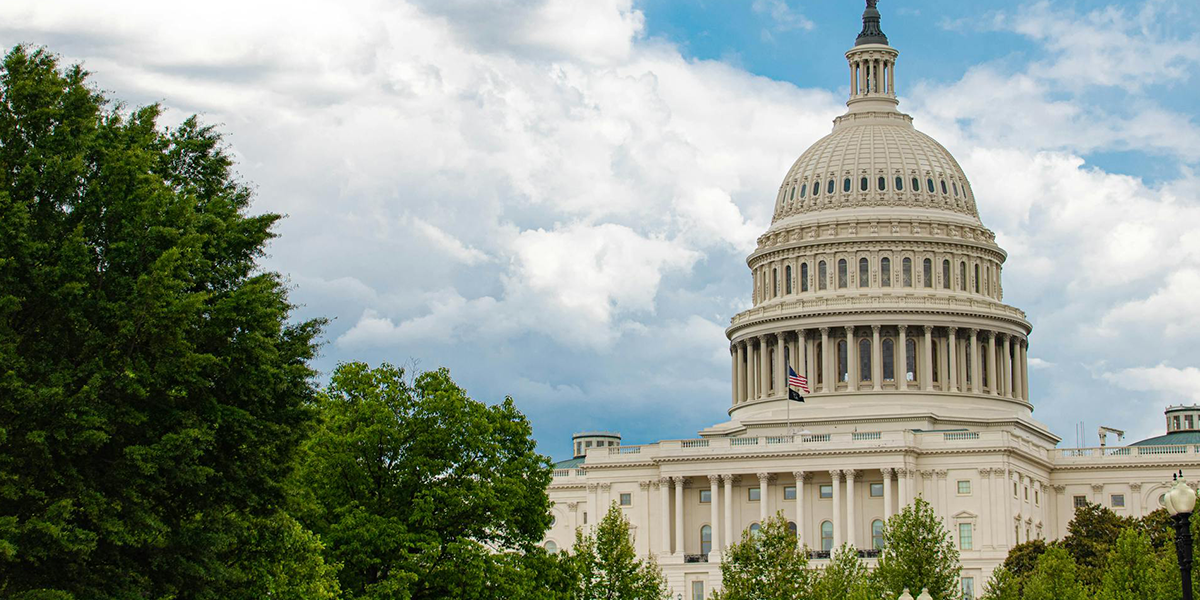
Congress News 2026: House and Senate Control, Key Legislation, and 2026 Midterm Preview
Congress is the legislative branch of the US government. It is divided. It is dysfunctional. It is essential. Understanding Congress helps you understand American politics.
I have been covering Congress for over a decade. I have reported from the House and Senate floors. I have interviewed members, staffers, and lobbyists. The institution is changing. The challenges are growing.
This is your complete guide to Congress News 2026. Inside, you will discover the balance of power, key legislation, and the 2026 midterm preview.
What You Will Learn Inside
1. House of Representatives: Narrow Majority
The House has 435 members. Republicans hold a narrow 219 to 216 majority. This is the smallest majority in decades. Speaker Mike Johnson (R-LA) struggles to unite his caucus.
Republican Divisions
The Republican conference is divided. Moderate Republicans from swing districts often break with leadership. Far-right members of the Freedom Caucus demand concessions on every bill. Speaker Johnson must balance competing factions. The job is difficult.
The far-right has blocked legislation. It has forced leadership compromises. It has threatened to oust the speaker. The chaos is real.
Democratic Strategy
Democrats are united in opposition. They vote against most Republican bills. They highlight Republican divisions. They raise money for the 2026 election. They hope to win back the majority.
Democrats need to flip five seats. Their path runs through New York and California. The districts are competitive. The outcome is uncertain.
What the House Has Accomplished
The House has passed few major bills. It has passed appropriations bills to fund the government. It has passed defense authorization bills. It has passed naming post offices. Major legislation is impossible without bipartisan support.
2. Senate: Slim Republican Control
The Senate has 100 members. Republicans hold a 51 to 49 majority. Democrats hold 48 seats plus two independents who caucus with them.
Senate Majority Leader John Thune
John Thune (R-SD) became majority leader after Mitch McConnell retired. He is more pragmatic than his predecessor. He has worked with Democrats on some bills. He has confirmed conservative judges. He has blocked Democratic priorities.
Thune faces pressure from the far-right. They want him to be more aggressive. They threaten to block his agenda. He balances competing factions.
The Filibuster
The filibuster requires 60 votes for most legislation. It protects minority rights. It also blocks action. Democrats want to reform or eliminate it. Republicans oppose changes. The filibuster remains.
What the Senate Has Accomplished
The Senate has confirmed judges. It has confirmed executive branch nominees. It has passed appropriations bills. Major legislation is rare. The filibuster is a barrier.
3. Key Legislation in 2026
Congress is considering several bills. Most will not pass. The ones that do will be bipartisan.
Government Funding
The government must be funded by September 30. The process is contentious. The far-right wants spending cuts. Democrats oppose cuts. A shutdown is possible.
Defense Authorization
The National Defense Authorization Act is must-pass legislation. It funds the military. It is usually bipartisan. It may include controversial provisions this year.
Child Care and Paid Leave
Democrats want to pass child care and paid family leave. Republicans oppose the cost. The bill is unlikely to pass.
Voting Rights
Democrats want to pass voting rights legislation. Republicans oppose it. The bill is unlikely to pass.
4. Leadership: Who Runs Congress
House Speaker Mike Johnson (R-LA) leads the House. He is a conservative. He is a close ally of Donald Trump. He struggles to unite his caucus.
House Minority Leader Hakeem Jeffries (D-NY) leads the Democrats. He is the first Black party leader in Congress. He is skilled. He is disciplined. He is waiting for the majority.
Senate Majority Leader John Thune (R-SD) leads the Senate. He is pragmatic. He is respected. He balances competing factions.
Senate Minority Leader Chuck Schumer (D-NY) leads the Democrats. He is skilled. He is aggressive. He is waiting for the majority.
5. The Filibuster: 60-Vote Threshold
The filibuster is a Senate rule that requires 60 votes to end debate on most legislation. It protects minority rights. It also blocks action. Democrats want to reform or eliminate it. Republicans oppose changes.
There are exceptions. Budget reconciliation bills require only 51 votes. This process has been used to pass major legislation. It is limited.
The filibuster is likely to remain. Neither party has 60 votes. Both parties benefit from the rule when they are in the minority.
6. 2026 Midterm Elections Preview
The 2026 midterm elections will determine control of Congress. The House is a toss-up. The Senate leans Republican.
House Outlook
Democrats need to flip five seats. Their path runs through New York and California. The districts are competitive. The outcome is uncertain.
Republicans need to defend their 219 seats. They are favored to hold the majority. The margin is narrow.
Senate Outlook
Democrats need to flip three seats. Their path runs through Florida, Texas, and Ohio. These are long shots. Republicans are favored to hold the majority.
The map favors Republicans. Democrats are defending more seats. The outcome is likely Republican control.
What to Watch
Watch Ohio, Montana, and Pennsylvania. These are the most competitive Senate races. Watch New York and California for House races. The results will determine control.
Frequently Asked Questions
How many members are in Congress?
There are 535 voting members. The House has 435 members. The Senate has 100 members.
Who is the Speaker of the House?
Mike Johnson (R-LA) is the Speaker of the House. He has served since 2023. He is a conservative. He is a close ally of Donald Trump.
Who is the Senate Majority Leader?
John Thune (R-SD) is the Senate Majority Leader. He has served since 2025. He is pragmatic. He is respected.
What is the filibuster?
The filibuster is a Senate rule that requires 60 votes to end debate on most legislation. It protects minority rights. It also blocks action.
How can I contact my member of Congress?
Find your representative at house.gov. Find your senators at senate.gov. Call their offices. Email them. Attend town halls. Your voice matters.
Final Thoughts and Your Next Move
Congress is divided. It is dysfunctional. It is essential. The 2026 midterms will determine control. The stakes are high.
Your next move is to vote. Register. Research the candidates. Make a plan. Democracy depends on an informed and engaged citizenry.
Engage With Congress
What is your biggest question about Congress? The 2026 midterms? The filibuster? Key legislation? Drop a comment below. I read every response and answer as many questions as I can.
Share this guide with someone who needs to understand Congress.








Leave a Comment