
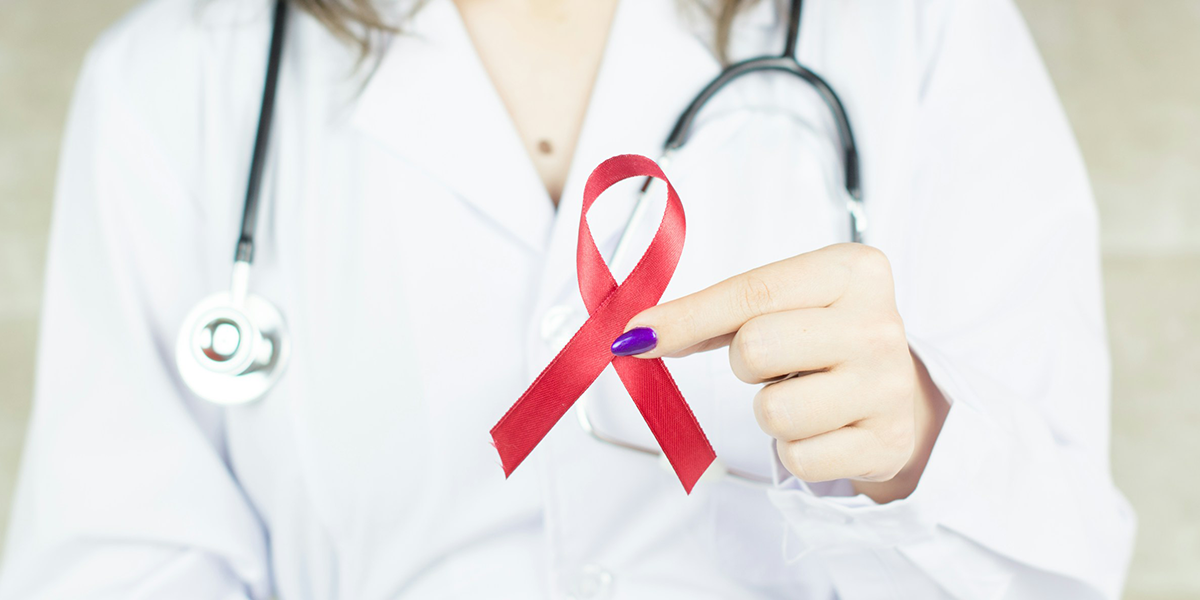
Cancer Research 2026: Immunotherapy Breakthroughs, Early Detection, Precision Medicine, and Clinical Trials
Cancer remains a leading cause of death worldwide. But the landscape is changing. New treatments are saving lives. Early detection is improving survival. Prevention is reducing incidence.
I have been covering cancer research for over a decade. I have interviewed oncologists, researchers, and patients. The progress is real. The hope is justified.
This is your complete guide to Cancer Research 2026. Inside, you will discover the latest breakthroughs in immunotherapy, early detection, precision medicine, and clinical trials.
What You Will Learn Inside
1. Immunotherapy Breakthroughs
Immunotherapy harnesses the immune system to fight cancer. It has transformed treatment for many cancers.
Checkpoint Inhibitors
Checkpoint inhibitors block proteins that prevent immune cells from attacking cancer. Keytruda (pembrolizumab) and Opdivo (nivolumab) are leading drugs. They are approved for melanoma, lung cancer, kidney cancer, and many others. Some patients achieve long-term remission.
New checkpoint inhibitors are in development. They target different proteins. They may work for more cancer types.
Combination Therapies
Immunotherapy is often combined with chemotherapy, radiation, or targeted therapy. The combinations are more effective than single agents. Clinical trials are testing many combinations.
2. CAR-T Cell Therapy Advances
CAR-T cell therapy modifies a patient's own immune cells to attack cancer. It has been approved for certain blood cancers.
Current Approvals
CAR-T is approved for acute lymphoblastic leukemia, non-Hodgkin lymphoma, multiple myeloma, and B-cell lymphoma. Results are dramatic. Some patients with refractory cancers achieve complete remission.
The therapy is expensive. It can cost $500,000. It can cause severe side effects. Cytokine release syndrome and neurotoxicity are risks.
Next-Generation CAR-T
Researchers are developing next-generation CAR-T. They are targeting solid tumors. They are making CAR-T cells safer. They are making them more effective. Clinical trials are underway.
3. Personalized Cancer Vaccines
Personalized cancer vaccines are made from a patient's own tumor cells. They train the immune system to attack cancer.
How They Work
Tumor DNA is sequenced. Mutations are identified. A vaccine is designed to target those mutations. The vaccine is injected. The immune system learns to attack the cancer.
The approach is personalized. Each vaccine is unique to each patient. The process takes weeks.
Clinical Results
Trials for melanoma, lung cancer, and pancreatic cancer have shown promise. Some patients have achieved complete remission. The vaccines are safe. They are not yet widely available.
4. Early Detection and Liquid Biopsies
Early detection saves lives. Liquid biopsies are transforming cancer screening.
Liquid Biopsies
Liquid biopsies detect cancer from a blood sample. They look for tumor DNA circulating in the blood. They can detect cancer early. They can monitor treatment response. They can detect recurrence.
The tests are non-invasive. They are easy to repeat. They are being adopted in clinical practice.
Multi-Cancer Early Detection
Multi-cancer early detection tests screen for many cancers from a single blood draw. Galleri is the leading test. It can detect 50 cancer types. It has a low false positive rate. It is recommended for high-risk individuals.
The test is not yet covered by all insurers. It costs $1,000. It is not recommended for the general population.
5. Precision Medicine and Targeted Therapies
Precision medicine tailors treatment to a patient's genetic profile. Targeted therapies attack specific cancer mutations.
Genetic Testing
Tumors are sequenced. Mutations are identified. Targeted therapies are matched to those mutations. The approach is more effective than traditional chemotherapy. It is less toxic.
Genetic testing is standard for many cancers. It is recommended for lung cancer, breast cancer, colon cancer, and melanoma.
Targeted Therapy Drugs
Targeted therapies are approved for many cancers. They include tyrosine kinase inhibitors, PARP inhibitors, and BRAF inhibitors. New drugs are in development.
The challenge is resistance. Tumors evolve. They become resistant to targeted therapies. Combination therapies and next-generation drugs are addressing resistance.
6. Cancer Prevention and Screening
Prevention is the best medicine. Screening saves lives.
Lifestyle Factors
Smoking causes many cancers. Quitting reduces risk. Diet and exercise affect risk. A healthy diet reduces risk. Regular exercise reduces risk.
HPV vaccination prevents cervical cancer. Hepatitis B vaccination prevents liver cancer.
Screening Guidelines
Mammograms for breast cancer starting at age 40. Colonoscopy for colorectal cancer starting at age 45. Pap smear for cervical cancer starting at age 21. Low-dose CT for lung cancer for heavy smokers.
Follow the guidelines. Screening saves lives.
Frequently Asked Questions
What is the most promising cancer treatment?
Immunotherapy is the most promising. It harnesses the immune system. It has transformed treatment for many cancers. CAR-T cell therapy is also promising.
Is cancer curable?
Some cancers are curable. Others are becoming chronic diseases. Progress is being made. The future is bright.
What is the best cancer hospital?
MD Anderson, Memorial Sloan Kettering, and Dana-Farber are top US cancer centers. They offer the latest treatments and clinical trials.
How can I reduce my cancer risk?
Do not smoke. Eat a healthy diet. Exercise regularly. Maintain a healthy weight. Limit alcohol. Get vaccinated. Get screened.
What is a clinical trial?
A clinical trial is a research study that tests new treatments. Patients receive cutting-edge care. They help advance medical knowledge. Ask your doctor if a trial is right for you.
Final Thoughts and Your Next Move
Cancer research is advancing rapidly. Immunotherapy is transforming treatment. Early detection is saving lives. Precision medicine is tailoring treatment. Prevention is reducing incidence.
Your next move is to reduce your risk. Do not smoke. Eat well. Exercise. Get screened. Follow the guidelines.
Stay Informed About Cancer Research
What is your biggest question about cancer research? Immunotherapy? Early detection? Prevention? Drop a comment below. I read every response and answer as many questions as I can.
Share this guide with someone who needs to understand the latest in cancer research.







Leave a Comment